

 Shopping Limit for new users: RS.

Pakistani traditional attire is a vibrant tapestry of culture and style. It reflects a rich history and diverse influences. Each garment tells a story of heritage and craftsmanship.
From the elegant salwar kameez to the intricate wedding wear, these clothes are more than just fabric. They are a celebration of identity and tradition. The colors, patterns, and textures are a feast for the eyes.
Beyond East is at the forefront of this cultural fashion movement. They offer a blend of traditional and modern styles. Their collections are a testament to quality and authenticity.
In this article, we explore the beauty and significance of Pakistani attire. Discover how Beyond East is making these timeless pieces accessible to the world.
The Rich Heritage of Pakistani Traditional Attire
Pakistani traditional attire embodies centuries of culture and history. Every piece reflects the influences of various dynasties and civilizations. The attire is not merely clothing; it is a symbol of tradition.
One key aspect is its deep connection to regional culture and societal norms. Each province showcases unique styles and motifs. These variations add richness to the national wardrobe.
The vibrant colors and intricate designs narrate the cultural stories of Pakistan. They illustrate the evolution of desi fashion through generations. These traditional garments serve as a bridge between the past and present.
Key Characteristics of Pakistani Traditional Attire:
- Vibrant colors: Represent joy and festivity.
- Intricate embroidery: Reflects artisanal skills.
- Flowing silhouettes: Offer elegance and comfort.
- Unique patterns: Showcase cultural diversity.
Handcrafted garments are at the heart of this heritage. Skilled artisans use techniques like block printing and mirror work. Such methods have been passed down through generations, preserving their heritage.
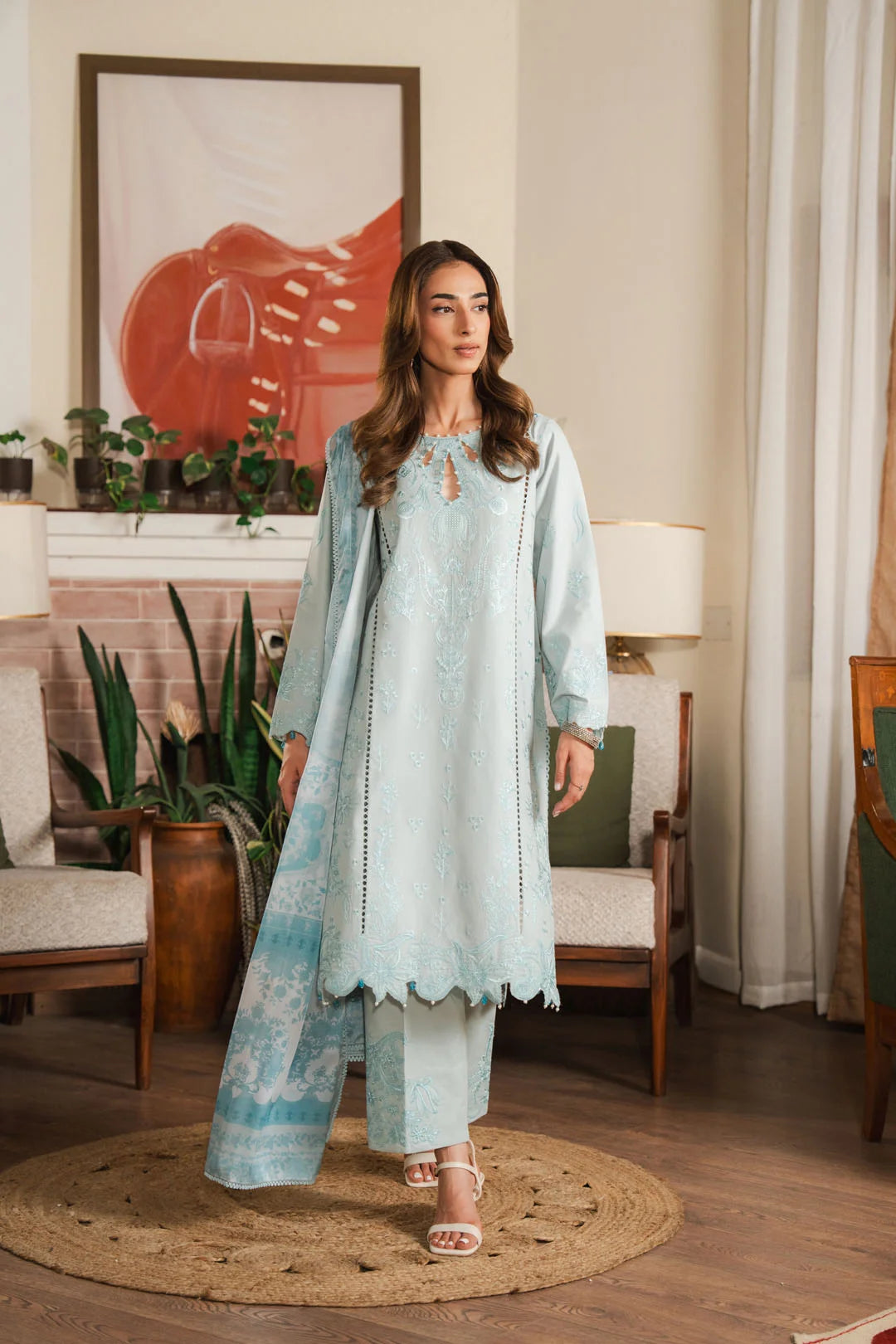

Key Elements of Traditional Pakistani Clothing
Pakistani traditional attire is a tapestry of cultural richness. The key elements form the backbone of this timeless fashion. Each element represents a story, unique to its region.
Textiles like lawn, cotton and silk are commonly used, valued for their quality and comfort. Vibrant hues and bold designs characterize many pieces, highlighting the wearer's style and heritage.
Embellishments such as sequins and beads add depth to the fabric. These intricate details elevate everyday garments to works of art. Pakistani clothing often includes detailed motifs and patterns.
Essential Elements:
- Fabrics: Lawn, Cotton, silk, georgette and more
- Colors: Bold, vibrant, and diverse.
- Embellishments: Sequins, beads, intricate embroidery.
- Motifs: Regional patterns and designs.
These elements are chosen carefully to reflect personal and cultural identity. They enable wearers to connect deeply with their roots. Each piece not only reflects individual taste but also embodies a collective cultural narrative.

Shalwar Kameez: The National Dress
The shalwar kameez is a cornerstone of Pakistani attire. Its blend of comfort and elegance makes it a popular choice. This outfit consists of a tunic paired with loose-fitting trousers.
Celebrated for its versatility, it's worn on various occasions from casual to formal. Men and women alike embrace this attire. It adapts to diverse settings without compromising style.
Traditionally, the salwar kameez is adorned with beautiful embroidery. Modern adaptations incorporate different fabrics like georgette, enhancing the classic appeal. This adaptation ensures it remains relevant in contemporary fashion.

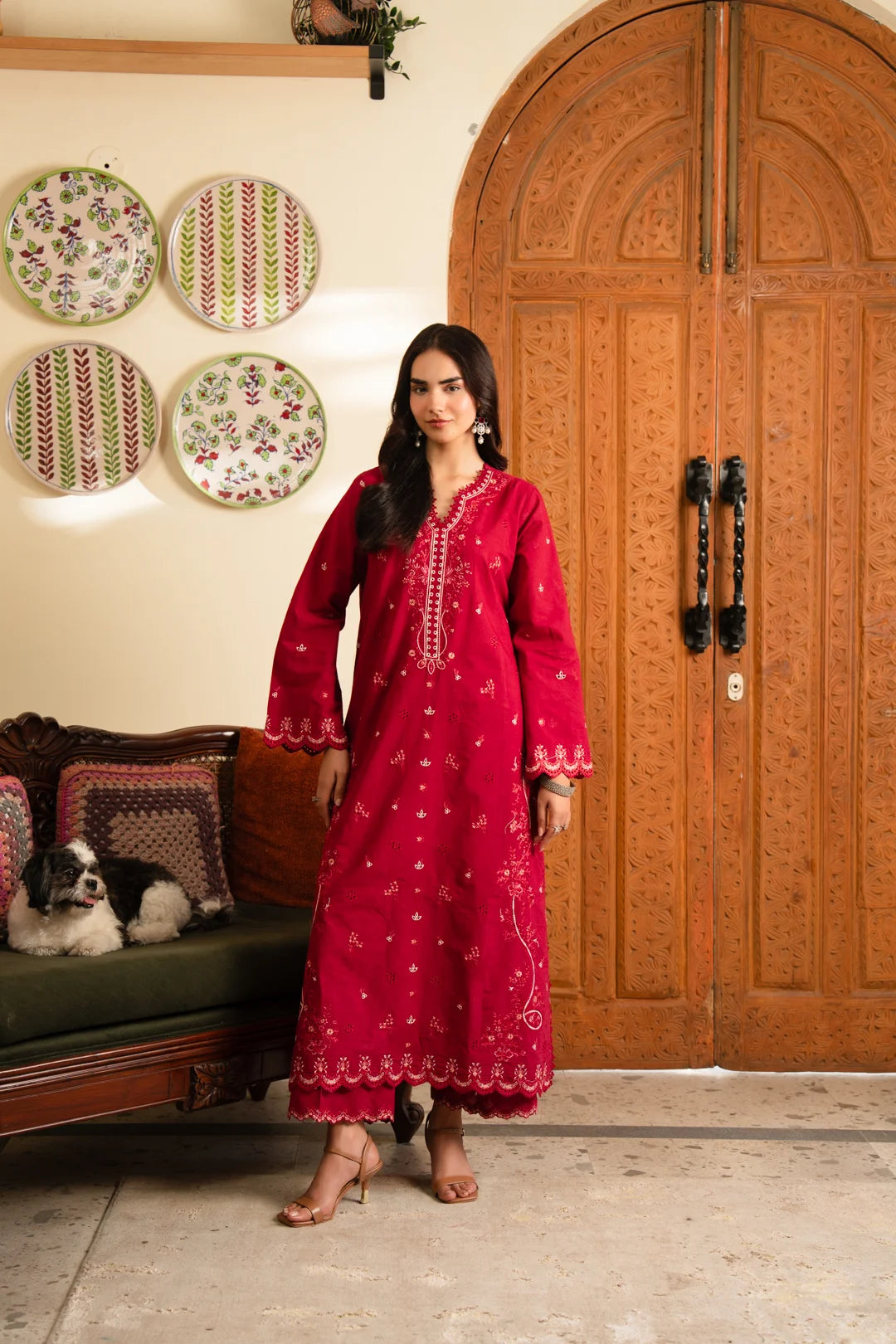
Dupattas, Shawls, and Accessories
Dupattas and shawls add a graceful touch to Pakistani attire. They serve both ornamental and practical purposes. These accessories often feature lavish detailing and striking colors.
Accessorizing Options:
- Shawls and Dupattas: Long scarfs, varied in design. Warm, intricate, and decorative.
- Jewelry: Traditional, often with gold or silver elements.
- Footwear: Khussas, culturally significant.
Jewelry, often bold and ornate, complements traditional clothing. Khussas and traditional footwear complete the look. These elements combine to create a picture of cultural elegance and sophistication.

Regional Diversity: Folk Costumes and Vintage Styles
Pakistani traditional attire varies across regions, each with its unique flair. Folk costumes reflect deep-rooted traditions and local customs. These costumes showcase a vibrant palette and diverse textures, telling stories of their origin.
In Sindh, Ajrak and Sindhi caps are iconic. Their bold patterns and colors are instantly recognizable. Punjab favors heavily embroidered Phulkaris, rich with cultural symbolism.
Regional Highlights:
- Sindh: Ajrak, intricate block printing.
- Punjab: Phulkari, vibrant embroidery.
- Balochistan: Balochi dresses, featuring heavy embellishments.
- Khyber Pakhtunkhwa: Chitrali caps, ethnic embroidery.
Balochistani attire is known for its intricate needlework, an homage to the artisan's skill. In Khyber Pakhtunkhwa, hand-embroidered Chitrali caps are popular, and often part of everyday wear.
Vintage styles are making a comeback in fashion circles. These styles seamlessly blend traditional aesthetics with contemporary trends. This revival keeps cultural traditions alive in modern wardrobes.

Festive Clothing and Wedding Attire
Festive clothing in Pakistan is a vibrant affair. These garments showcase bright colors and lavish embellishments. Intricate embroidery and beadwork adorn traditional attire for joyful occasions.
Festivals such as Eid call for elaborate ensembles. Women often wear embellished salwar kameez in 2 piece and 3 piece.
Shop our curated unstitched Eid dresses 2026 in embroidered lawn, chiffon & cotton net.
Traditional weddings in Pakistan are grand. The bridal attire is a stunning display of craftsmanship. Lehenga cholis and shararas, adorned with gold threads and crystals, capture attention.
Festive Elements:
- Colors: Rich reds, maroons, and golds.
- Fabrics: Luxurious silks, velvets, and georgette.
- Embellishments: Sequins, zardozi embroidery, mirror work.

Celebrate every occasion in style explore our festive dresses for women for Eid & weddings.
Traditional Pakistani Wedding Guest Attire
As a wedding guest, embracing cultural attire is common. It's a chance to don Pakistani festive wear. Outfits are often colorful and richly detailed.
Women usually wear embellished suits or sarees. These outfits stand out with intricate designs. Men might prefer classic waistcoats or formal shalwar kameez.
Attending a wedding is a cultural celebration. Guests' attire reflects respect and joy for the event. Selecting the right ensemble is part of the experience.

Handcrafted Garments and Artisanal Techniques
Handcrafted garments are the cornerstone of Pakistani fashion. Each piece highlights the craftsmanship of skilled artisans. These garments preserve centuries-old techniques.
Artisans employ traditional methods, infusing each piece with cultural history. Techniques like block printing, mirror work, and hand embroidery are prevalent. These methods ensure every garment is a unique masterpiece.
The demand for handcrafted attire is rising. It's driven by a renewed appreciation for quality and tradition. Fashion enthusiasts now seek garments that are both beautiful and meaningful.
Artisanal Techniques Include:
- Block Printing: Adds depth and patterns.
- Mirror Work: Creates eye-catching reflections.
- Hand Embroidery: Details with precision and care.
These techniques continue to thrive. They not only sustain cultural heritage but also enhance modern fashion. The allure of handcrafted garments lies in their beauty and authenticity.

Modern Adaptations: Desi Fashion Meets Contemporary Trends
Desi fashion is an exciting blend of tradition and innovation. This fusion transforms traditional elements into modern fashion statements. Designers skillfully integrate Eastern and Western styles.
Contemporary trends are redefining Pakistani attire. Bold cuts, vibrant patterns, and minimalistic designs showcase this evolution. Fashionistas are now mixing timeless pieces with trendier options.
This adaptation makes desi fashion more accessible and appealing. It bridges cultural gaps, allowing for diverse expressions. This fusion enhances the appeal of traditional attire, making it trendy and relevant.
Contemporary Trends in Desi Fashion:
- Bold Patterns: Eye-catching and dynamic.
- Minimalist Designs: Simple yet elegant.
- Fusion Wear: Combined classic and modern shapes.
The modern desi fashion scene is vibrant. It offers versatile options for those embracing both heritage and trends. This evolution reflects the dynamism of Pakistani fashion.

The Role of Beyond East in Promoting Pakistani Attire
Beyond East plays a pivotal role in preserving the essence of Pakistani fashion. They offer a range of clothing that honors cultural roots. Their collections blend history with modern aesthetics.
Their commitment to promoting traditional attire is commendable. Through collaborations with artisans, they highlight skilled craftsmanship. Their dedication to quality ensures authentic Pakistani clothing.
Beyond East also focuses on sustainable and ethical practices. They create unique pieces while supporting local communities. This dedication enhances their brand's authenticity and value.
Highlights of Beyond East's Contributions:
- Artisanal Collaboration: Supporting local craftspeople.
- Quality Assurance: Ensuring top-notch garments.
- Sustainability Focus: Promoting ethical fashion.
Beyond East stands as a beacon for cultural heritage. Their efforts in fashion integrate both legacy and innovation.

Modern Pakistani fashion at its finest shop our embroidered pret suits for ready-to-wear elegance.
Shopping for Traditional Pakistani Attire Online
The digital realm has made it easier to find traditional Pakistani attire. Online platforms offer access to a variety of cultural outfits. Beyond East provides an extensive selection for different tastes.
Shopping online delivers convenience at your fingertips. With detailed product descriptions and images, customers can make informed choices. Beyond East's website is user-friendly, ensuring a pleasant shopping experience.
Benefits of Online Shopping:
- Wide Selection: Access to diverse styles.
- Easy Navigation: Simple, hassle-free browsing.
- Doorstep Delivery: Prompt and reliable service.
Shopping online at Beyond East ensures quality and authenticity. It's a seamless way to embrace Pakistani fashion.

Find your perfect Eid dresses for women 2026 co-ord sets, 2 & 3 piece suits in premium fabrics.
Conclusion:
Pakistani traditional attire is more than fashion; it's a celebration of heritage. Beyond East makes cultural attire accessible and stylish for everyone. Through their collections, they honor tradition while embracing modern trends.
Choosing pieces from Beyond East lets you wear clothing rich in history and elegance. Celebrate culture, choose authenticity, and express your style.
FAQs
1. What is Pakistani traditional attire?
Pakistani traditional attire refers to cultural clothing styles such as shalwar kameez, dupattas, shawls, and embroidered outfits that reflect the country's heritage, craftsmanship, and regional diversity.
2. Why is Pakistani traditional clothing popular worldwide?
Pakistani traditional clothing is popular globally due to its intricate embroidery, high-quality fabrics, vibrant colors, and a unique blend of tradition and modern fashion aesthetics.
3. What are the main fabrics used in Pakistani traditional attire?
Common fabrics include lawn, cotton, khaddar, chiffon, silk, linen, velvet, and georgette, chosen according to season, comfort, and occasion.
4. What makes shalwar kameez the national dress of Pakistan?
Shalwar kameez is considered the national dress because of its comfort, versatility, and cultural significance, making it suitable for daily wear, formal events, and festive occasions.
5. How does Pakistani traditional attire vary by region?
Each region has distinct styles, such as Ajrak from Sindh, Phulkari embroidery from Punjab, heavily embroidered dresses from Balochistan, and Chitrali embroidery from Khyber Pakhtunkhwa.
6. What role do dupattas and shawls play in Pakistani fashion?
Dupattas and shawls complete traditional outfits by adding elegance, modesty, warmth, and cultural identity through embroidery, prints, and textures.
7. What is the difference between festive wear and daily wear in Pakistani clothing?
Daily wear focuses on comfort and simplicity, while festive wear includes luxurious fabrics, detailed embroidery, rich colors, and decorative embellishments for special occasions.
8. Why is handcrafted clothing important in Pakistani fashion?
Handcrafted clothing preserves traditional techniques such as block printing, mirror work, and hand embroidery, showcasing artisanal skill and cultural heritage.
9. How has modern fashion influenced Pakistani traditional attire?
Modern fashion has introduced contemporary cuts, fusion silhouettes, minimalist designs, and global trends while maintaining traditional embroidery and fabric choices.
10. What makes Beyond East a trusted Pakistani clothing brand?
Beyond East is known for blending traditional craftsmanship with modern design, offering high-quality fabrics, authentic detailing, and ethically produced ready-to-wear collections.
11. Does Beyond East offer both traditional and modern Pakistani outfits?
Yes, Beyond East offers a wide range of outfits including classic traditional wear, contemporary ready-to-wear styles, festive attire, and everyday clothing.
12. Can Pakistani traditional attire be worn for international events?
Absolutely. Pakistani traditional attire is widely worn at international weddings, cultural events, formal gatherings, and fashion showcases due to its elegance and versatility.
13. Is Pakistani ready-to-wear clothing suitable for all body types?
Yes, Pakistani ready-to-wear brands design outfits in inclusive sizing and flattering silhouettes that cater to diverse body types and preferences.
14. Why is Pakistani fashion gaining popularity in the USA, UK, and Europe?
Growing diaspora communities, online accessibility, high-quality craftsmanship, and unique cultural aesthetics have increased global demand for Pakistani fashion.
15. How can someone style Pakistani traditional attire for a modern look?
Pair traditional outfits with minimal accessories, contemporary footwear, structured jackets, or fusion styling to create a modern yet culturally rooted look.
16. What occasions are best suited for Pakistani traditional clothing?
Pakistani traditional attire is ideal for weddings, Eid celebrations, family gatherings, formal dinners, cultural events, and festive occasions.
17. What makes Pakistani embroidery unique?
Pakistani embroidery stands out for its fine detailing, cultural motifs, regional techniques, and use of threadwork, mirror work, and embellishments.
18. How does Beyond East maintain quality in its collections?
Beyond East focuses on premium fabric sourcing, skilled craftsmanship, careful stitching, and attention to detail to ensure long-lasting quality.
19. Is Pakistani traditional attire sustainable?
Many Pakistani brands, including Beyond East, support sustainable practices by promoting handcrafted garments, ethical production, and durable fabrics.
20. Where can I buy authentic Pakistani traditional attire online?
Authentic Pakistani traditional attire can be purchased online from trusted brands like Beyond East, offering nationwide and international shipping.

